In the digital dining market, a restaurant’s website often creates the first impression long before a customer sees the menu or visits the venue. An effective food landing page design serves as a dedicated destination that presents culinary offerings, builds trust, and encourages visitors to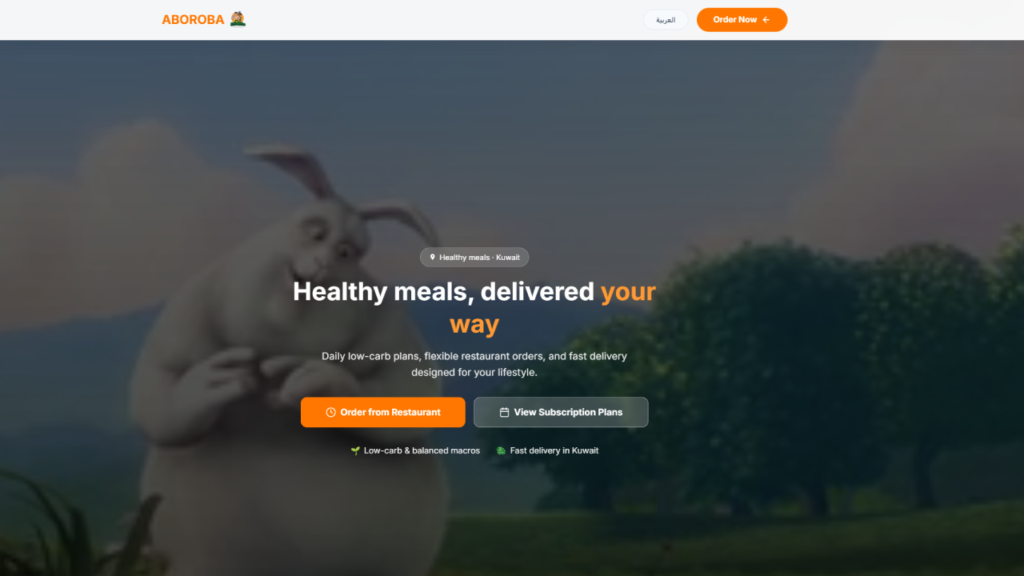 take action. Whether the goal is table reservations, meal subscriptions, takeaway requests, or direct purchases, the structure of a landing page can significantly influence customer decisions.
[Download Source Code – GitHub]
The Importance of a Dedicated Restaurant Landing Page
Many food businesses rely heavily on social media platforms, yet these channels cannot fully replace a well-designed website. A specialized landing page provides complete control over branding, content presentation, customer journeys, and search visibility.
Unlike generic web pages, a focused restaurant landing page eliminates distractions and guides visitors toward a specific objective. Clear navigation, attractive visuals, concise messaging, and fast performance work together to increase engagement and improve conversion rates.
Speed as a Competitive Advantage
Loading speed remains one of the most important factors affecting user experience. Visitors often leave websites that require several seconds to display content, especially when browsing from mobile devices.
A lightweight architecture built with HTML, CSS, and JavaScript can reduce loading times dramatically. Faster performance not only improves customer satisfaction but also contributes to stronger search engine rankings through positive Core Web Vitals metrics.
When restaurant websites load instantly, potential customers can explore menus, promotions, and contact information without delays, creating a smoother browsing experience from the first interaction.
Mobile Optimization Is No Longer Optional
Food-related searches frequently occur on smartphones. Users often look for nearby dining options, delivery services, or reservation details while on the move.
An optimized food landing page design automatically adapts to different screen sizes, ensuring readability and usability across phones, tablets, laptops, and desktop computers. Responsive layouts prevent formatting issues and make important elements such as call buttons, reservation forms, and location details easy to access.
A mobile-first approach helps restaurants capture valuable traffic that might otherwise be lost due to poor usability.
Visual Presentation Influences Buying Decisions
High-quality food photography can communicate freshness, quality, and professionalism more effectively than lengthy descriptions. Images should showcase signature dishes, dining environments, ingredients, or preparation methods while maintaining optimized file sizes.
Visual hierarchy also plays an important role. Strategic placement of images, headlines, and action buttons directs attention toward the most important content without overwhelming visitors.
Restaurants that combine compelling imagery with organized layouts often achieve stronger engagement and higher conversion rates.
Multilingual Accessibility Expands Reach
Restaurants serving diverse communities benefit from supporting multiple languages. A bilingual interface allows visitors to browse content in their preferred language without relying on automatic translation tools.
Modern landing page systems can switch between left-to-right and right-to-left layouts instantly, creating a seamless experience for both Arabic and English audiences. This capability improves accessibility while helping businesses connect with a broader customer base.
Interactive Location Features Improve Convenience
Customers frequently search for directions before visiting a restaurant. Integrating an interactive map directly into the landing page simplifies this process and reduces friction.
Lightweight mapping technologies allow businesses to display branch locations, operating areas, and navigation assistance without introducing excessive complexity. Visitors can quickly identify the nearest location and plan their visit with minimal effort.
Convenience often translates into increased foot traffic and stronger customer satisfaction.
Search Engine Visibility Starts with Technical Quality
A visually appealing website alone does not guarantee organic traffic. Technical optimization remains essential for long-term search performance.
Search engines evaluate factors such as page speed, mobile compatibility, structured content, accessibility, and user experience signals. Restaurant landing pages that follow modern development standards are more likely to achieve favorable rankings for relevant search queries.
Well-structured headings, descriptive metadata, optimized images, and logical content organization contribute to improved discoverability across search results.
Simplified Customization Saves Time
Restaurant owners and developers often need to update menus, promotional campaigns, contact details, or branding assets. A flexible landing page structure makes these adjustments straightforward.
Simple customization workflows allow businesses to keep content accurate and relevant while reducing maintenance costs.
Choosing the Right Foundation for Growth
The most effective restaurant websites balance aesthetics with functionality. Fast loading, responsive layouts, multilingual support, interactive maps, and search-friendly architecture create a strong foundation for digital growth.
A carefully planned food landing page design does more than display information. It communicates credibility, improves customer experience, supports marketing efforts, and increases opportunities for conversions. As competition within the food industry continues to grow, businesses that invest in performance-focused web experiences gain a meaningful advantage in attracting and retaining customers online.